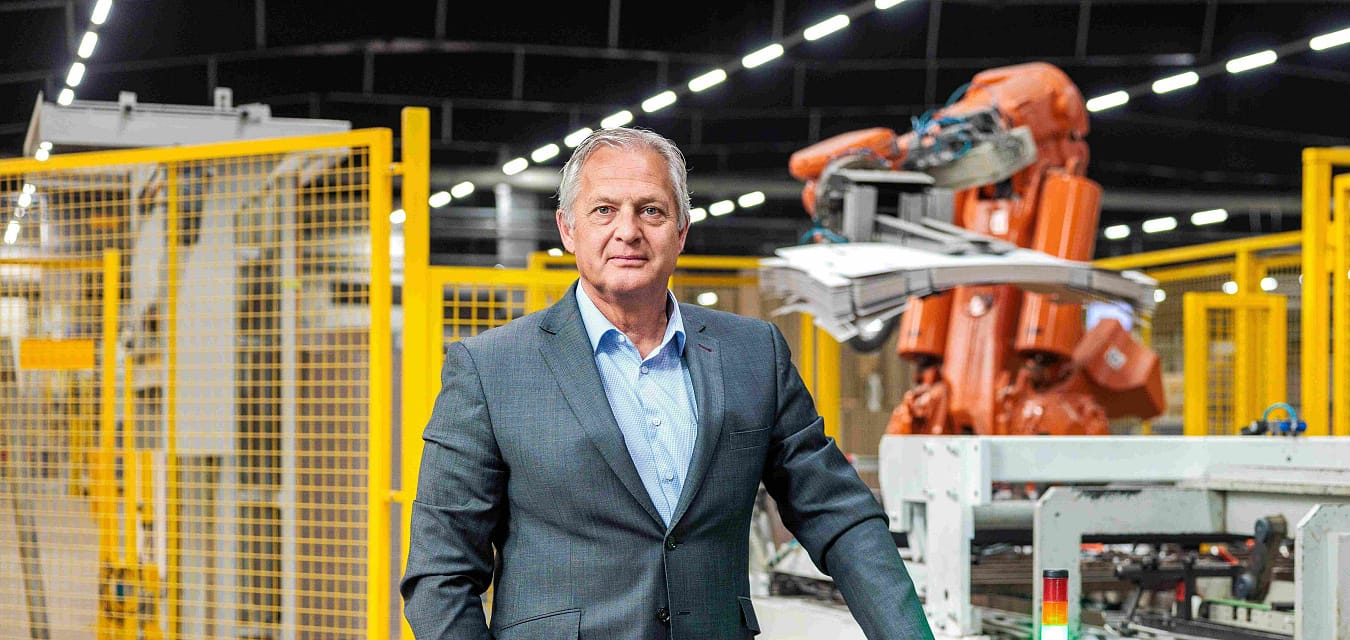
Erik van Mierlo – CHRO, Solidus
Although the cardboard industry has a long history in the Netherlands - the oldest factory dates back to 1870 - Solidus is a surprisingly young company. In just eight years, it has experienced impressive growth, both in terms of employees and locations. It is now the largest player in solid board worldwide.
Erik van Mierlo - CHRO
Cardboard boring? Absolutely not, says CHRO Erik van Mierlo. Solidus is at the heart of the circular economy, where old paper is turned into cardboard, which is then used for a wide range of packaging solutions such as boxes, trays, dividers, and tubes for both the business-to-business and consumer markets. Thanks to efficient collection systems in Western Europe, cardboard can be reused up to twenty times, playing a crucial role in sustainable packaging.
What kind of world is the cardboard and packaging industry?
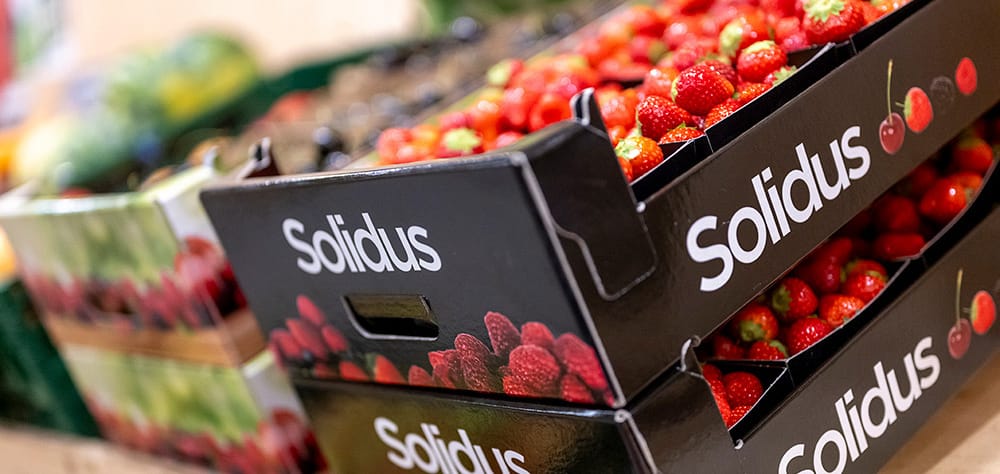
“The world of cardboard and packaging is vast, literally. Solidus has four European factories where huge cardboard machines, as long as a soccer field, process old paper into new cardboard. This cardboard is then processed in twelve other factories into packaging solutions for consumer packaging in retail, the meat processing industry, fruits and vegetables, flowers industry, luxury packaging, games market, and transport protection for glassware. There is a significant amount of technology behind every packaging, with automated production lines, robotic arms, and self-driving forklifts.”
What are the main trends in your field?
“The trends in this sector revolve around sustainability. The EU is imposing increasingly strict rules on mandatory reuse of raw materials and minimum amounts of recycled material as raw material. This forces manufacturers to look for circular alternatives, such as cardboard. Consumers, especially in Europe and the US, demand more environmentally friendly packaging and are increasingly interested in packaging that keeps food fresh longer, reducing food waste. Major retail chains are following this trend and setting ambitious sustainability goals. Solidus is responding to these developments by creating cardboard alternatives for plastic containers for meat or fruit/vegetable products, such as chicken fillets and mushrooms. Even ready-made meals can be packaged in cardboard.”
Is your innovation strategy also focused on this?
“Indeed. We are increasingly looking for solutions aimed at reducing waste and extending shelf life by developing recycled and circular packaging. This presents a huge opportunity to reduce waste and at the same time reduce food waste: imagine extending the shelf life of all products in Dutch supermarkets by 10 to 15 percent; the impact would be enormous.”
Is that what makes Solidus unique?
“Yes, it's all about the focus on circularity. There is no other packaging material as circular as cardboard. Not only because the product can come back many times as the same product, but also because the raw material of paper, wood fibers, is truly 100 percent renewable. That social commitment makes it attractive for me to work here. The second reason is that I just find production organizations super fun.”
All sounds positive, but every company and sector has its challenges. What are yours?
“Continuing to reduce CO2 emissions and developing sustainable products with the same properties as traditional ones. At the same time, this also offers opportunities. Solidus' ambition is growth, both organically and through acquisitions, and further diversification of products to be less sensitive to economic fluctuations.”
Onto the company culture. What can you say about that?
“We are a production company where things are informal and a wide range of people work. That's what makes it so fun to work in production companies. There is no strong sense of hierarchy or formalities. A production company is about rolling up your sleeves and delivering products every day. Every day. That creates a certain dynamic and atmosphere.”
What kind of atmosphere is that? Explain.
“Our English colleagues call it fail fast. Grab the work. See it, do it, take initiative. Don't just sit back and wait. If a mistake is made, it's just a little shake of the head and we move on. Just do it, then at least we know if it works or not. And if it doesn't work, that's fine. Then we'll try something else. It has something adventurous about it.”
Do you want to take that next step?
Photographer: Jan Buwalda
[Published: April 2024]