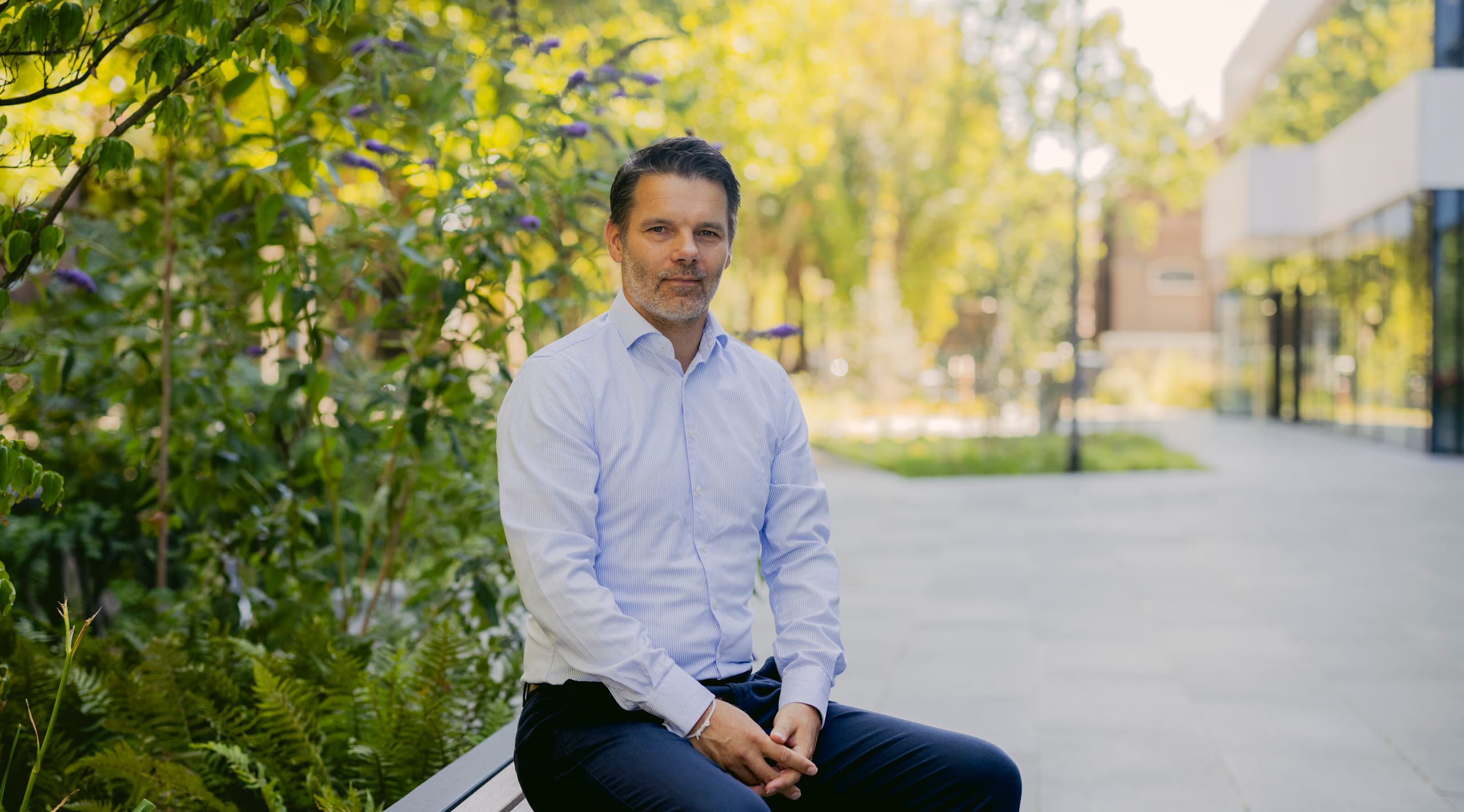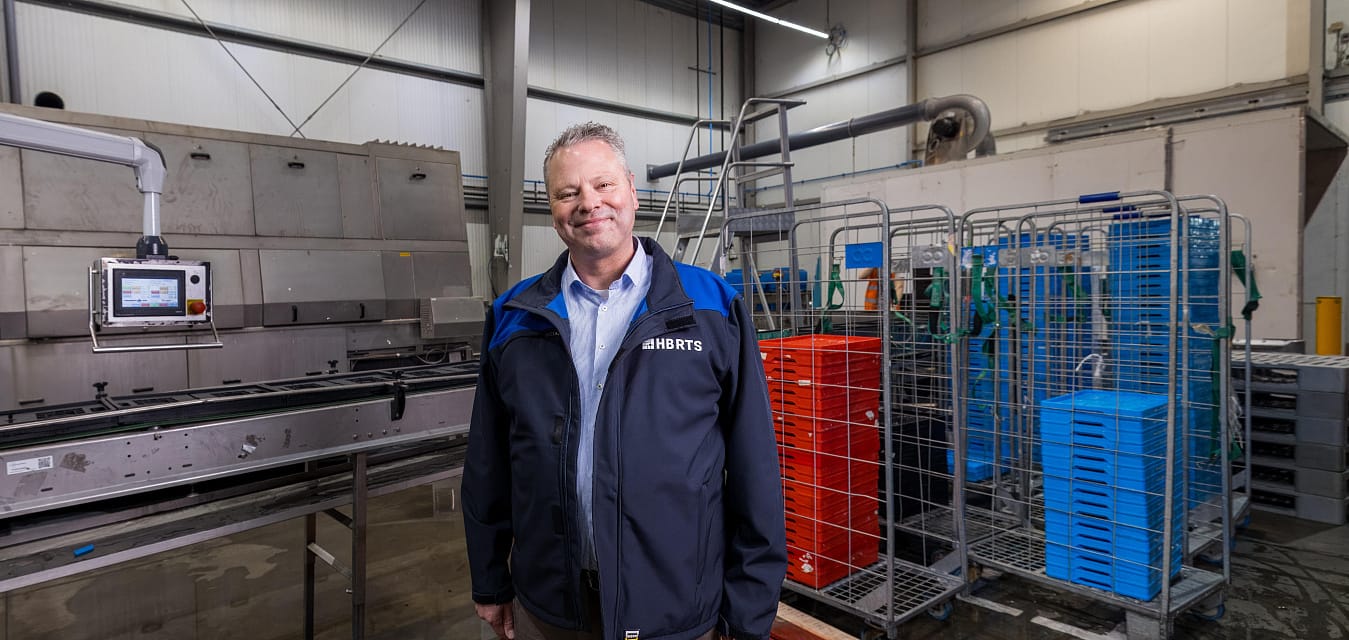
Joost Vermeulen - Interim Operations Director, Nomilk2day Interim
Joost Vermeulen is a Super-O: the informal term for a Chief Operating Officer (COO) or operations manager. For the past three years, he has been working in this role on an interim basis. We asked him about his experiences in his work and how he enjoys life as an interim manager.
Joost Vermeulen - Interim Operations Director
Always busy, always active, and always delivering, but Joost Vermeulen doesn't know stress. As an interim manager specializing in structuring and organizing work and processes, Joost Vermeulen has a keen eye for quick wins. "There are often a few themes that I can address quickly and achieve immediate results. At the same time, I invest in building connections with the people I work with at all levels. Once that connection is established, momentum builds. This is recognized and appreciated, and it works quite well."
What challenges do you see in companies?
"Mainly the waste of talent, or muda in lean theory. Companies underutilize talent by not providing adequate guidance and involvement for their employees. As a result, they do not perform optimally, which is a loss for both sides. When I do provide that attention, the rewards are immense. You establish connections, align everyone's goals, and work towards a common purpose. A little attention has a tremendous impact."
So, as an interim manager, you can really make a difference.
"Absolutely. After crisis management, stabilization projects, or forward-looking assignments, former colleagues often tell me that they have learned a lot from me. They see me as a mentor or coach. Companies often invest in process optimization but overlook the human factor. For success, it is crucial to involve employees in the process. Once I make a connection and people feel that I genuinely care, I receive tremendous support. The entire organization benefits from this. It is wonderful to bring about such positive change."
Is this also a factor in your current assignment?
"HB Reusable Transport Solutions optimizes packaging flows for companies. In recent years, the company has experienced tremendous growth. Together with the new CEO, who is just as results-oriented and socially empathetic as I am, we are bringing a breath of fresh air to the organization. With these types of strategic and advisory assignments at the senior level, I contribute to laying the foundation for the years to come. Very fascinating."
And if a client were to offer you a permanent position. Would you accept?
"That has already happened. But it's something I need to think about. I currently find interim work very enjoyable and have my reasons for doing it. Management roles do not appeal to me, so if after a year I find myself in a managerial position, I will step back. I am open to all possibilities and am happy to discuss, but only after a project is completed."
What are the major logistical challenges of the moment?
"My biggest concern is the lack of employees with the right competencies, both blue and white collar. Lack of continuity can be deadly for a business. Companies must therefore shift their focus to innovation, mechanization, automation, and talent development. There can be a lot of waste in processes. Train people to operate the mechanization instead of doing the manual labor themselves. With that shift, I can help."
What skills do you need as an interim manager to successfully tackle such an issue?
"Empathy is essential. It's also important to be able to accept criticism and remain calm at all times. Furthermore, you must allow yourself to make mistakes and learn from them. To be successful in interim management, you must be willing to invest an enormous amount of time and energy into your job."
You mentioned accepting criticism. Can you give an example of a situation where that is important?
"Well, everyone receives criticism at some point. In a permanent role, performance reviews are the right place to provide feedback, but in interim management, it happens more ad hoc. In a short-term assignment, you have a different relationship than when you are there indefinitely. More is expected from an interim manager. You need to quickly get up to speed and deliver results. You must be strong, explain the plan behind your decisions, and why a choice was made."
How do you keep your knowledge up to date?
"I enroll in a training course every year, such as a leadership program, executive coaching training, or workshops on the Future of Work. Even though I work 70-hour weeks, I believe it's important to stay current."
You sound enthusiastic.
"I am, but to be honest, it's not always easy. Three years ago, I had a great job and chose a bit of uncertainty with my interim company Sollogis. But I have no regrets. Being able to build something new with a company each time is incredibly inspiring, because in addition to interim operations management, I am also part of the senior management team in almost every assignment, contributing to the future and strategy of companies. I get to do so many exciting things and bring something new each time."
And you can choose which projects to take on... Did that also help with writing your books?
"I've been fortunate to come across interesting projects each time and could say 'no' to requests that don't suit me as well. I prefer assignments related to processes and people, the operational side. Logistics professionals are always busy, making it challenging to find time for hobbies outside of work. I play the guitar and write mainly because I can do that at home with my family. I've published the children's book 'Short Legs, Wet Noses!' and two thrillers: 'Barong' and 'Unheimisch.' I didn't take time off for that."
Hard work, writing books, a family. Where do you find your inspiration?
“I am inspired every day. Often by people, but it is mainly in the daily successes. I try to take a small step every day, a baby step. And ultimately, all those baby steps lead to a huge leap when you look at it over 220 working days.”
Are you a decisive interim manager or is your organization looking for an interim professional who delves into business issues? Then contact us.
Photographer: Bart van Hattem
[Published: June 2024]