Bas, Stijn & Aad - Researchers & Managing Director, Delphy B.V.
By sharing knowledge, inspiring growers, and coming up with new ideas, researchers Bas and Stijn contribute to a sustainable future for greenhouse horticulture. "Our research departments in the greenhouses are practice-oriented and designed in a way that allows us to push the cultivation's technical boundaries."
Bas, Stijn & Aad - Researchers and Managing Director
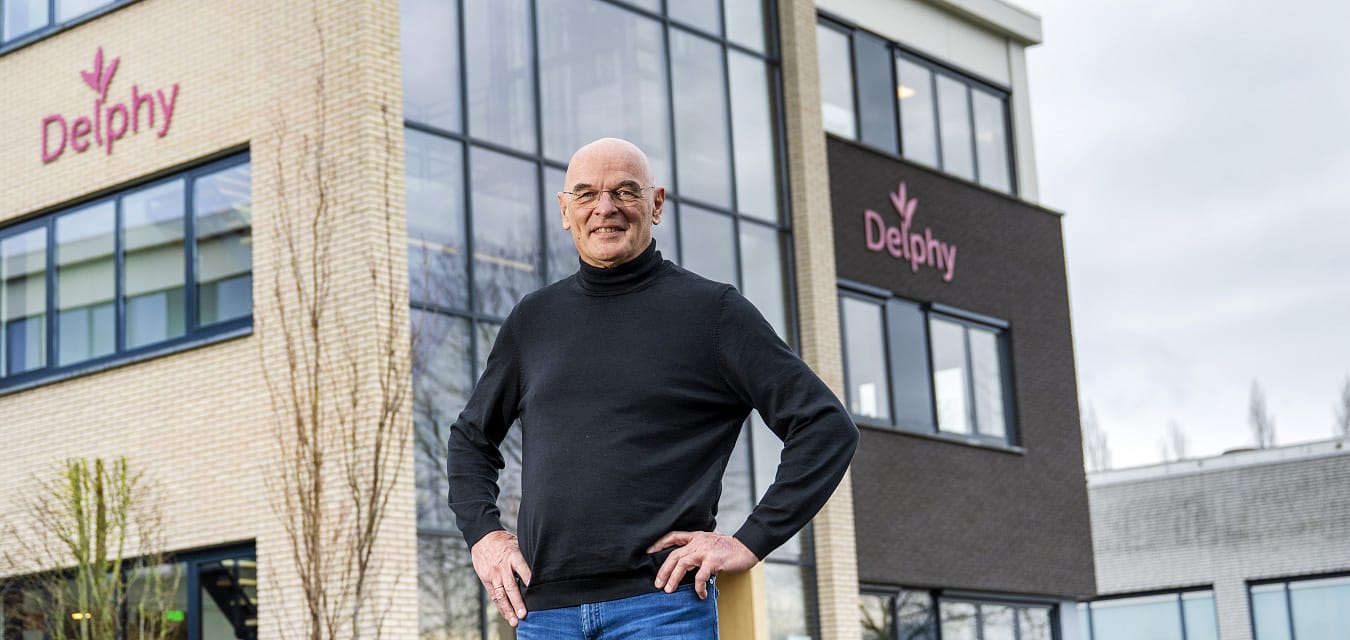
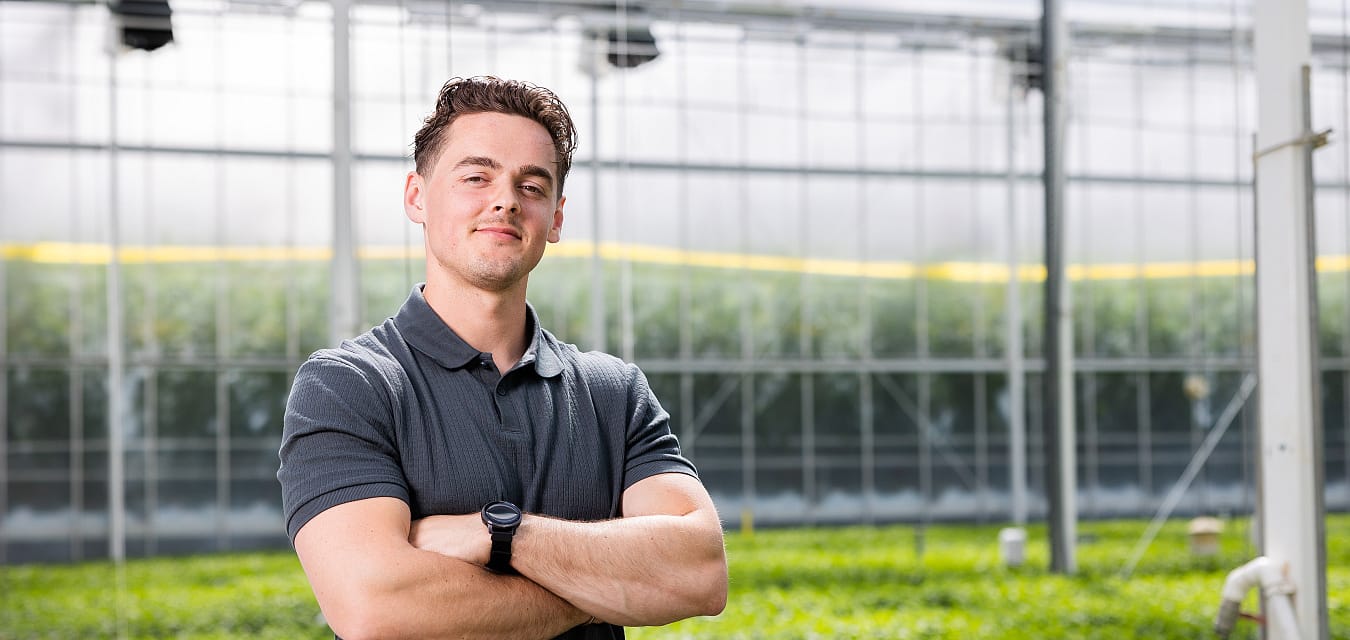
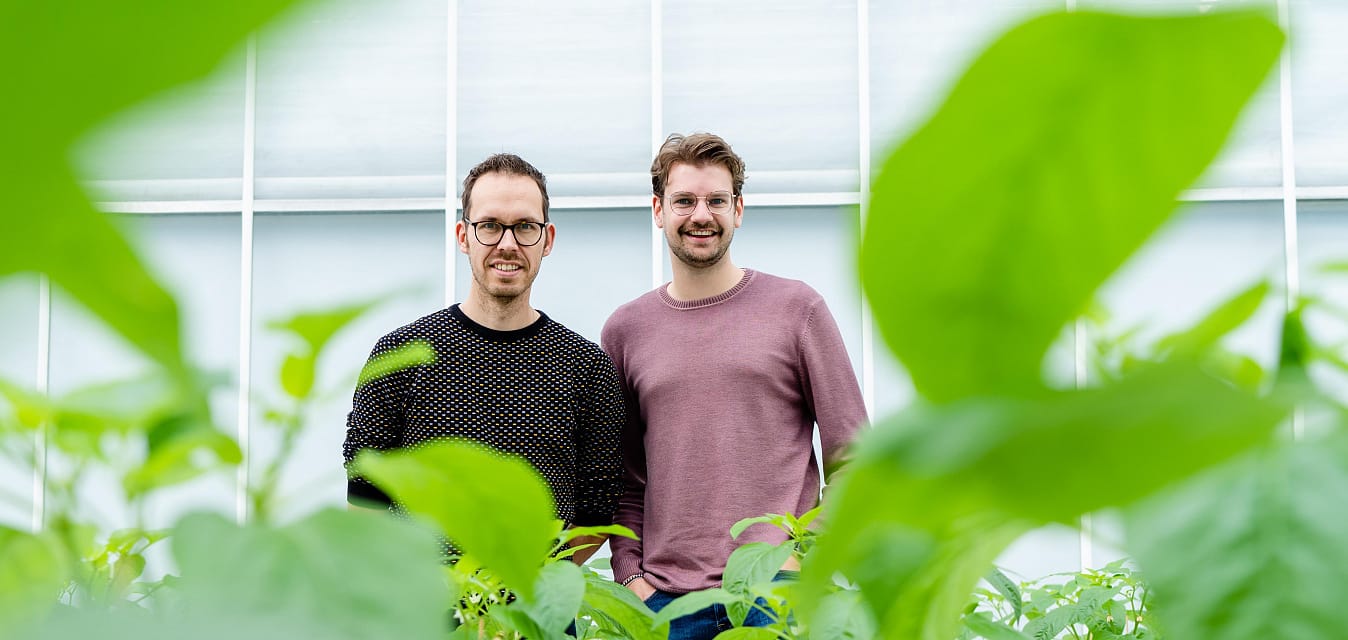
In 17 years, Managing Director Horticulture Aad van den Berg, together with his team, has successfully established a strong brand both nationally and internationally. Knowledge company Delphy Improvement Centre has a strong market position in new cultivation concepts and the application of greenhouse technologies in horticulture worldwide. Together with researchers Bas Oudshoorn and Stijn Jochems, we discuss their successful approach.
What is the role of the Delphy Improvement Centre?
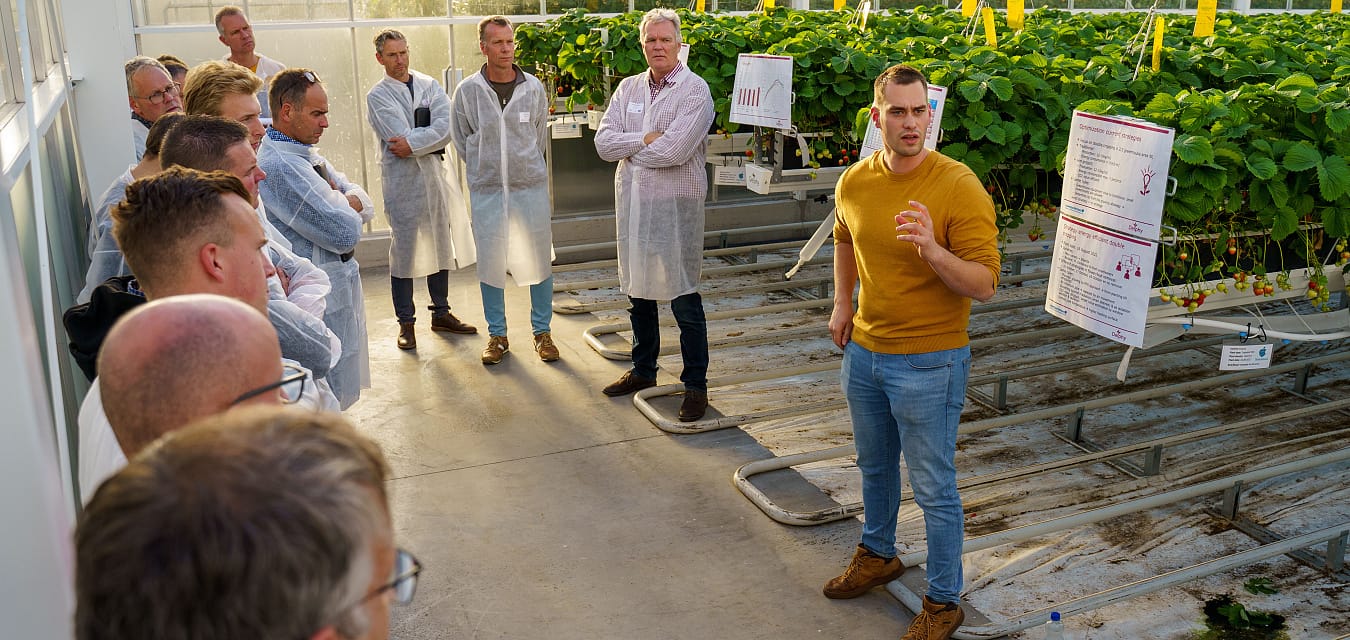
Aad: "We develop integrated cultivation concepts in the cultivation strategy for covered horticulture. Our research focuses heavily on sustainability, such as energy conservation, reducing the use of fossil energy, and avoiding the use of chemical substances by promoting plant health. We work closely with growers on a practical level, where our solutions must be directly applicable. Our research departments in the greenhouses are practice-oriented and designed in a way that allows us to push the cultivation's technical boundaries. Growers often face risks on their own farms, but we can afford to make mistakes, which I see as one of our strengths."
And this has also brought you international success.
Stijn: "Certainly, internationally, but also in the Netherlands, we are highly regarded. We operate at a Champions League level and stay on top of the latest innovations. Although I am immersed in it daily, I am still impressed by what colleagues know and can do. Being part of that makes me proud."
Stijn and Bas, what specific areas do you focus your research on?
Stijn: "My focus is on the application of energy-efficient technologies, such as LED lighting and dehumidification, and cultivation strategies that align with them. Soon, I will be giving lectures on this at two American universities. I have a lot of interaction with growers and suppliers and continuously learn."
Bas: "My specialty is crop resilience, particularly in unlit cultivation and cultivation concepts without fossil energy. Great themes to work on. Each researcher has their own expertise, but there is also overlap, so we collaborate. Additionally, we can also contribute research ideas. This way, I can shape my work myself."
What challenges do you face?
Bas: "For us, challenges are opportunities to innovate and try new things. Take, for example, the high energy prices. Many growers are in need of energy-saving measures. We have contributed significantly to knowledge development in this area and provided growers with tools, as climate control in greenhouses varies worldwide."
What peculiarities have you noticed within horticulture?
Stijn: "In few other sectors, you find so many passionate people, especially the growers. They are often family businesses with a real passion for what they do. They actively engage with the research. Their involvement makes them critical and direct, but they do it for a reason: they want to contribute to the outcome."
How is management handled within Delphy?
Bas: "Delphy readily delegates responsibility to employees. You need to be independent and willing to take on responsibility. You have a lot of freedom here and don't have to strictly adhere to set guidelines."
Aad: "We are moving more towards coaching leadership. By brainstorming together, people can develop personally and professionally. The goal is to give everyone the space to grow and achieve their ambitions."
What do you find the most rewarding aspect of your work?
Bas: "I particularly enjoy deepening my knowledge. I see issues with the climate and contribute to sustainability in the sector through directly applicable research. That gives a good feeling. Thanks to one of my ideas, energy consumption in a specific crop can decrease by 10 percent. That satisfaction is one of the most enjoyable aspects of my work!"
Stijn: "My personal drive is to contribute to a climate-neutral greenhouse horticulture. I do this by sharing knowledge, inspiring growers, and proposing new ideas. As a researcher, I am curious and always seeking innovation. Not only does this give me a lot of energy, but I also continue to learn more through this."
Bas: "And ultimately, this makes everyone smarter. It's not about being right. One person believes method A works, another prefers B, and together we arrive at C. That's what makes my work fascinating."
That sounds like a harmonious atmosphere. Is that also the case within the team?
Stijn: "The entire team consists of 20 people, including a team of 8 researchers: a young group with beginners and people in their thirties. The gender balance is good. The atmosphere here is informal; there is room for socializing and jokes. Even after work, we spend time together. Eating together, playing padel or squash, or going for a run."
Bas: "The relationship I have with my colleagues is almost like friendship. If there's something, we discuss it together. The team is helpful and supportive of each other. This is my third job, and nowhere else has been as friendly, open, helpful, and social as here. Very nice."
Interested in a career at Delphy? Check out the vacancies or inquire with the Senior Consultant Horticulture and Arable Farming.
Photo: Jan Verburg
[Published: January 2024]